Hiring the Best Insulation Experts
Upgrade Your Homes Comfort: Expert Insulation Services From Experienced Contractors
In today's environmentally conscious world, proper insulation is essential for maintaining home comfort and efficiency. Many homeowners overlook the significant impact of insulation on both energy bills and indoor air quality. Trusted contractors offer expert services that identify and address insulation issues. Learning about these services can show how small changes can result in significant enhancements. Yet, the question remains: how do you choose the right solutions for your specific needs?
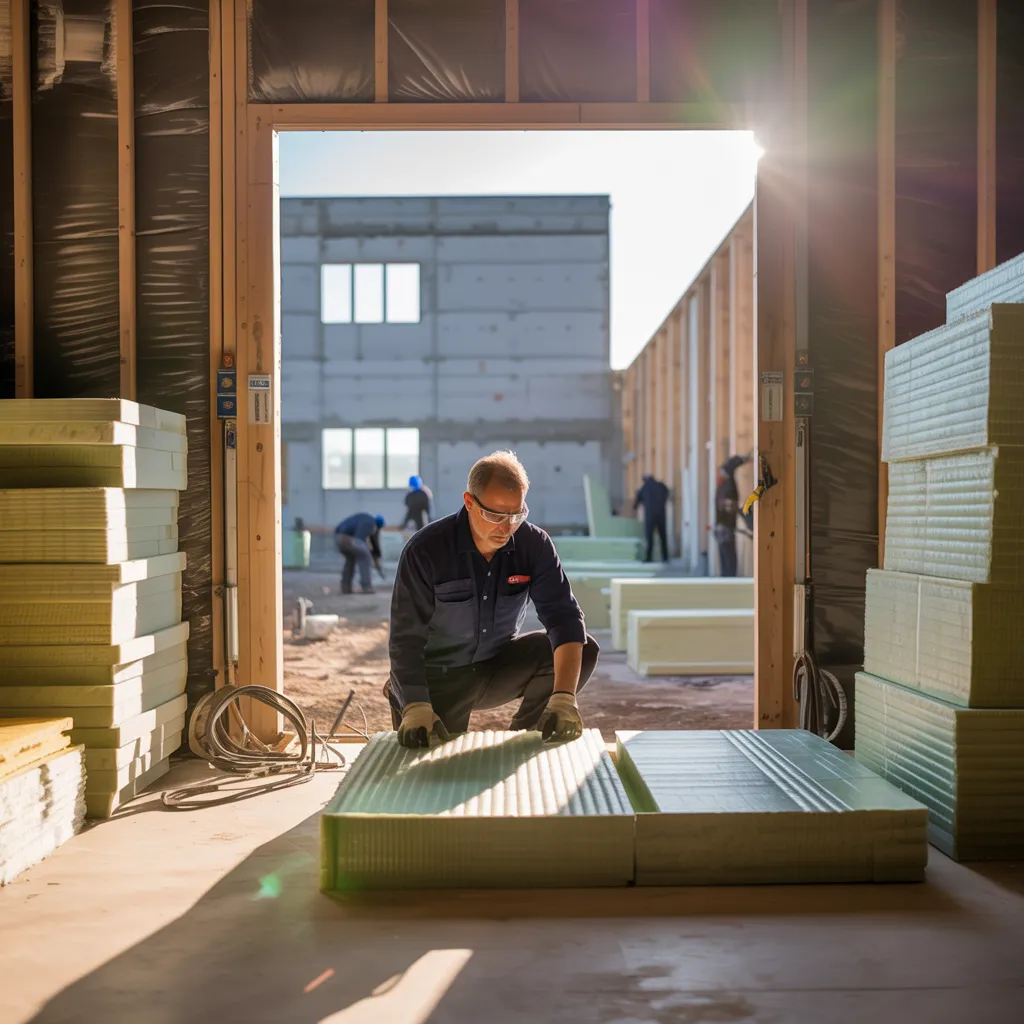
How Poor Insulation Drains Your Wallet and Comfort
Poor insulation can greatly impact both energy expenses and indoor comfort. When insulation fails to meet standards, heat loss in winter and heat gain in summer become pronounced, forcing heating and cooling systems to work overtime. This inefficiency translates directly to higher utility bills, as homeowners face inflated energy costs due to increased demand on HVAC systems.
Additionally, insufficient insulation can contribute to less than ideal living conditions, with cold drafts and temperature variations reducing overall comfort. The buildup of moisture may also develop, fostering the growth of mold and mildew, which can negatively impact indoor air quality.
Investing in proper insulation not only mitigates these issues but also enhances the overall value of your home. A thoroughly insulated home encourages comfort and energy efficiency, allowing homeowners to enjoy their space while minimizing unneeded expenditures. Consequently, tackling insulation inadequacies is key to securing better living conditions and meaningful financial savings.
Does Your Home Have Drafts? Here Are the Signs to Look For?
Determining if a home is drafty can be accomplished by examining typical signs and reviewing energy costs. Detectable cold zones and varying temperature levels commonly point to air infiltration issues. Moreover, unusually high energy costs could indicate that insufficient insulation is permitting heat loss.
Usual Draft Symptoms
Numerous homeowners frequently ignore the subtle signs of drafts throughout their living areas, which can lead to rising energy expenses and unpleasant conditions. Typical signs involve noticeable temperature fluctuations, where certain rooms feel considerably colder than others. Occupants can also detect drafts around windows, doors, and electrical outlets, frequently perceived as a cool sensation on the skin. Moreover, ongoing moisture buildup on glass surfaces can suggest inadequate insulation, permitting cold air to enter the home. Whistling or rattling noises during windy conditions may also suggest air leaks. Finally, if light curtains or fabrics sway in the absence of a breeze, it's a clear sign that air is infiltrating the home. Acknowledging these indicators marks the beginning of improving your home's overall comfort.
Energy Bill Indicators
Rising energy costs frequently act as a reliable signal of draft issues within a home. Residents may observe a notable rise in their monthly bills, indicating that climate control systems are running more frequently to sustain a comfortable climate. A drafty environment can cause uneven temperature distribution, causing residents to raise the thermostat. To locate drafty spots, homeowners can conduct simple tests, such as checking for cold air infiltration around windows and doors or employing a candle flame to reveal air movement. Furthermore, details inspecting insulation levels in attics and walls can reveal hidden gaps. Addressing these issues with expert insulation solutions can contribute to enhanced energy conservation, leading to decreased expenses and enhanced living conditions.
Core Benefits of Professional Insulation Installation
Unlocking the complete advantages of a home's insulation effectiveness often copyrights on qualified insulation application. Skilled technicians verify that insulation materials are applied correctly, greatly reducing heat loss in winter and reducing heat gain in summer. This expertise leads to a consistently balanced indoor temperature, enhancing comfort throughout the year.
Furthermore, professional installation can contribute to lower utility bills, as residences rely less on climate control systems. This not only supports financial savings but also decreases the total carbon footprint, helping the environment.
Moreover, skilled installers have extensive knowledge about the latest insulation materials and technologies, making sure that homeowners obtain the finest solutions customized for their individual needs. They also comply with established safety protocols and building requirements, which is critical for sustained performance and adherence to regulations. In the end, the core advantages of professional insulation services include enhanced comfort, energy efficiency, and peace of mind for homeowners.
How to Find a Dependable Insulation Contractor
Identifying a dependable insulation specialist demands careful consideration of a number of important criteria. Residents must confirm the contractor's licensing and insurance policies, examine their skills and qualifications, and request thorough cost breakdowns to ensure transparency. These practices are essential for making an informed decision and securing superior insulation results.
Check Licenses And Insurance
When hiring an insulation contractor, it is essential to verify their licenses and insurance. This measure confirms that the contractor adheres to local regulations and industry standards, offering homeowners peace of mind. A legitimate license indicates that the contractor has undergone necessary training and is qualified to perform insulation work. Furthermore, insurance shields homeowners against potential liabilities, such as unforeseen accidents or damage during the project. It is advisable to obtain proof of both licenses and insurance before continuing. In addition, homeowners should verify that the insurance coverage is active and fully covers the scope of work. Taking these precautions helps to reduce risks and fosters a safer, more reliable working relationship with the contractor.
Review Experience And Expertise
Assessing a contractor's capabilities and credentials is essential when hiring a trustworthy insulation expert. Examining a contractor's background involves looking at their length of experience and the types of insulation projects they have completed. It is beneficial to evaluate their area of focus, as some may focus on residential insulation while others may specialize in commercial installations.
Furthermore, reviewing client feedback and testimonials can shed light on their workmanship and reliability. Certifications from reputable organizations also demonstrate dedication to industry standards. By taking these aspects into account, homeowners can guarantee they select a contractor with the required expertise and qualifications to execute top-tier insulation services, ultimately improving the overall comfort and energy performance of their homes.
Ask for Detailed Estimates
How can homeowners ensure they are making a well-informed decision when hiring an insulation contractor? One practical approach is to obtain detailed quotes from several contractors. This method gives homeowners the ability to assess not only the expenses but also the breadth of work each contractor suggests. A quote should cover materials, labor, schedules, and any possible extra charges. Homeowners should verify that estimates are itemized, providing transparency about what each charge entails. Furthermore, seeking explanation on any ambiguous points can help avoid potential disputes down the line. By gathering thorough estimates, homeowners can more accurately gauge the worth provided by various contractors and reach a better-informed conclusion, resulting in a successful insulation project that satisfies their requirements and financial plan.
Choosing the Right Type of Insulation for Your Home
What factors should homeowners consider when selecting insulation? First, the climate plays an essential role; regions with extreme temperatures may require more robust insulation types, such as fiberglass or spray foam. Homeowners are encouraged to examine the insulation's R-value, which reflects its capacity to prevent thermal exchange; higher R-values are preferable for energy efficiency.
One more important aspect is the type of material, which includes fiberglass, cellulose, and foam board, each with its own advantages and disadvantages. Homeowners must also think about the installation method; some materials are DIY-friendly, while others may require professional assistance.
In addition, the section to be insulated—basements, walls, or attics—will affect the choice of insulation. Additionally, financial limitations will guide decisions, as certain insulation materials offer greater value than others. By evaluating these considerations, property owners can choose the insulation that optimally addresses their needs while boosting their home's overall comfort.
The Effect of Insulation on Energy Costs
Do homeowners fully understand the substantial role insulation has in utility expenses? Quality insulation considerably decreases the need for heating and cooling systems to operate excessively, leading to reduced energy expenses. By blocking thermal exchange, it preserves a steady interior climate, which not only enhances comfort but also reduces power usage. Studies indicate that homes with quality insulation can cut expenses by as much as 20% on heating and cooling costs per year, a significant amount for many households. Furthermore, the kind and standard of insulation further influence these savings; greater R-values offer better thermal resistance. Homeowners often overlook the lasting economic advantages of upgrading their insulation, viewing it as an upfront cost rather than a cost-saving measure. Ultimately, by prioritizing insulation, homeowners can attain exceptional energy performance, resulting in reduced monthly costs and a smaller environmental footprint.
What to Expect During the Insulation Installation Process
Property owners can realize substantial energy savings through quality insulation, but knowing the installation process is just as essential. Initially, a professional contractor conducts a thorough assessment of the home, pinpointing sections that need insulation. This evaluation includes checking attics, walls, and basements.
Next, the professional chooses the appropriate insulation material, such as cellulose, fiberglass, or spray foam, depending on the house's specific needs and budget. When the appropriate materials are determined, the job gets underway. This typically involves sealing any gaps or cracks to maximize efficiency.
In the case of attic insulation, the process may include placing batts or distributing loose-fill material, while wall insulation work could involve drilling small holes for injection. After installation, the contractor will inspect the completed work to ensure no sections have been missed. Ultimately, a thorough insulation installation not only improves home comfort but also contributes to long-term energy efficiency.
Frequently Asked Questions
How Long Does Insulation Usually Last Before Requiring Replacement?
Insulation generally lasts from 20 to 30 years, influenced by the type of material and environmental factors. Routine inspections can help assess its performance and whether it needs to be replaced to maintain ideal energy efficiency in a home.
Is It Possible to Install Insulation Myself, or Should I Bring in a Professional?
Although some homeowners may try DIY insulation installation, enlisting a professional is typically the better choice. Skilled professionals provide proper installation, conformance to safety regulations, and optimal energy efficiency, ultimately providing a more effective and lasting insulation solution.
What Are the Environmental Impacts of Different Insulation Materials?
Different insulation materials have varying environmental impacts. Natural options like cellulose and sheep’s wool are generally more sustainable, while synthetic materials, such as foam, may release harmful chemicals during production and disposal. Recycling and sourcing matter considerably.
What Are the Signs That My Insulation Needs Upgrading?
Indicators that insulation requires upgrading consist of obvious temperature inconsistencies, higher utility bills, unwanted drafts, or clear signs of wear. Checking locations like attics and walls can further expose moisture concerns or inadequate levels of insulation.
Are There Any Government Incentives for Improving Home Insulation?
Indeed, many authorities make available financial incentives for improving home insulation, such as grants, tax credits, or rebates. Property owners should check national initiatives and local programs that support energy efficiency upgrades to maximize their potential savings.